Asbestos Facts for Renovation Planning in Lake County: What Homeowners and Managers Should Know
Renovation projects in Lake County often start with the fun part, new finishes, better layouts, updated kitchens, tenant improvements, a fresh look for an older office or retail space. Then the walls open up and the mood changes. A simple flooring replacement reveals old adhesive. A ceiling repair exposes aging texture or insulation. A maintenance crew pulls materials during a water loss and suddenly everyone is asking the same question a little too late: could this contain asbestos?
That question matters more in Central Florida than many owners expect. Lake County has a broad mix of older homes, aging commercial buildings, humid weather, frequent summer storms, and a long hurricane season. Renovation plans here do not happen in a vacuum. Moisture intrusion, deferred maintenance, and emergency repairs can all collide with materials that were installed decades ago. If you own property in Groveland, Clermont, Minneola, Mascotte, Howey-in-the-Hills, Mount Dora, Leesburg, or elsewhere in Lake County, the safest approach is simple: treat hidden materials with respect and plan before cutting, sanding, drilling, or demolishing.
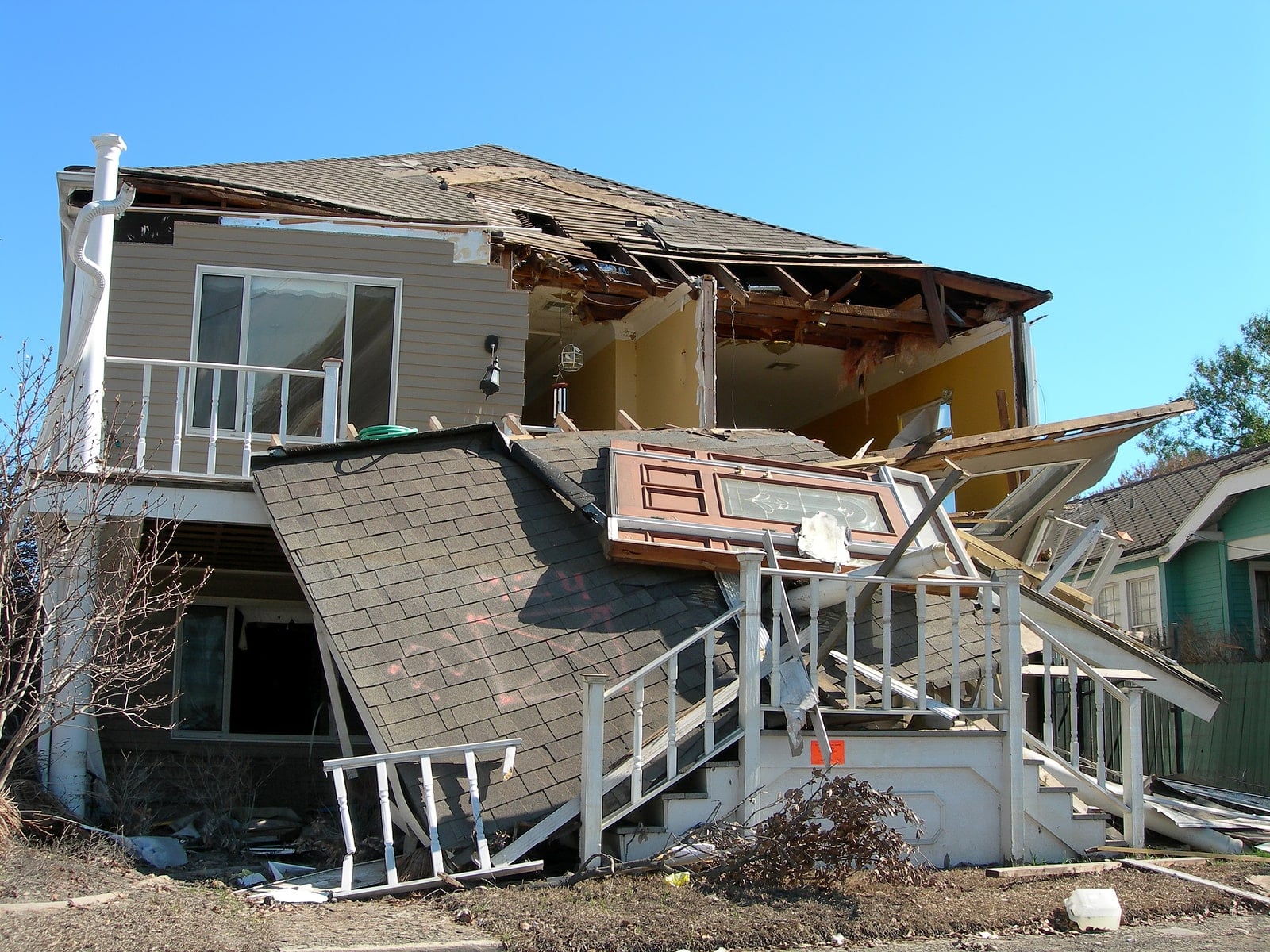
Why asbestos planning belongs at the front of the job
One of the most expensive mistakes I see in renovation planning is assuming a project is “small enough” that hazardous materials probably will not matter. That assumption can unravel fast. A bathroom update becomes a larger scope after plumbing access is needed. A flooring replacement turns into subfloor work. A roof leak leads to interior tear-out. Once work starts, pressure builds. Schedules tighten. Occupants want answers. Contractors want access. That is exactly when corners get cut.
An asbestos survey before renovation can help avoid that scramble. It is not just a paperwork exercise. It gives owners, contractors, and managers a clearer picture of what they are dealing with before labor begins and before materials are disturbed. In Florida, asbestos work is regulated through licensure and abatement rules, and the state requires licensed professionals to follow applicable work practices and notification rules. Florida also makes an important distinction that some single-family homes and small residential buildings may be exempt from certain abatement requirements depending on the project. That nuance matters because people often hear one partial rule and assume it applies everywhere. It does not.
For commercial buildings, public buildings, and many renovation or demolition settings, the planning burden is heavier for good reason. The goal of asbestos rules is to minimize fiber release during demolition and renovation. Once you understand that point, the logic becomes straightforward. Renovation is not just design and construction. It is also risk management.
The Lake County factor: humidity, storms, and older buildings
Local conditions shape the real-world risk. In Central Florida, afternoon storms, long humid stretches, and hard-working air conditioning systems are part of life. Add hurricane season preparation in Florida, which should begin before the official season starts on June 1, and property owners have a lot to manage at once.
This matters because many renovations do not begin as elective improvements. They begin after a leak, a roof issue, a plumbing break, storm-related intrusion, or an HVAC problem. A property manager water damage call on Monday can become a demolition decision by Tuesday. If the building is older, damaged materials may need to come out quickly, but haste does not cancel the need for proper evaluation.
Humidity adds another layer. Wet building materials are already a concern for mold, odor, and indoor air quality in Florida. If those same materials are in older structures, you may be looking at overlapping issues, water damage response, containment, drying, demolition decisions, and possible asbestos-containing materials in the same affected area. That is why experienced planning matters so much. Renovation, mitigation, and environmental safety often overlap in practice.
What homeowners usually miss
Homeowners tend to think of asbestos as an old insulation problem tucked away in attics or old pipe wraps. Sometimes it is more subtle. The concern during renovation is not only the obvious, friable material people picture from old industrial settings. The practical issue is whether a planned activity will disturb a suspect material and create avoidable exposure or project disruption.
A lot of owners also assume that if a home passed a sale inspection, there is nothing to worry about. That is not how it works. A home inspection for older homes in Florida can identify many visible concerns, but it is not the same thing as project-specific renovation planning. An inspection for a transaction and a survey tied to demolition or renovation serve different purposes. One is broad and visual. The other is about what will actually be disturbed.
That distinction becomes very important when an owner says, “We have lived here for years and never had a problem.” Asbestos risk is often disturbance-based. A material can sit undisturbed for a long time without becoming part of daily life. The risk picture changes when a crew starts removing cabinets, grinding flooring, opening soffits, or cutting into wall systems.
Commercial owners and property managers face a different level of exposure
If you manage commercial space, multifamily units, offices, retail, or mixed-use properties, the stakes go up quickly. Now you are balancing tenants, maintenance teams, downtime, contractors, insurance questions, and occupant communication. In that setting, asbestos planning is not just a safety issue. It is an operational issue.
I have seen the same pattern repeat itself. A building has a leak. Someone authorizes immediate tear-out to “dry things out.” Another person starts lining up commercial mold remediation because wet materials and musty odors are already showing up. Then the project pauses because nobody confirmed what those older ceiling tiles, mastics, or wall materials actually are. Days are lost. Drying equipment sits longer than expected. Tenants get restless. Costs rise for reasons that had little to do with the original water loss.
That is where understanding mitigation vs remediation helps. In plain terms, mitigation is about reducing immediate damage and stabilizing conditions. Remediation is about addressing the contamination or hazard itself under the appropriate process. They are related, but they are not interchangeable. If you skip that distinction, crews can be pushed into work that should not proceed until the right evaluation is done.
Moisture problems can complicate asbestos decisions
Florida’s moisture reality deserves its own section because it changes the order of operations. The Florida Department of Health advises people to look first for signs of moisture or water damage, and it does not recommend mold testing or sampling as the first step. That practical advice lines up with what seasoned restoration teams already know. If materials are wet, the first questions are usually where the water came from, what got wet, how long it has been wet, and what can be dried versus what must be removed.
Now add possible asbestos-containing materials into that same room. Suddenly every decision gets more deliberate. You may need dehumidification and air scrubbers to control the environment and improve working conditions, but you also need to make sure the drying or demolition process is not disturbing suspect materials improperly. You may need a water damage checklist for your team, but that checklist should include a pause point for older building materials before tear-out begins.
This is where good coordination pays off. Environmental concerns, drying goals, occupant safety, and scheduling all need to line up. The right answer is not always “rip it out fast.” Sometimes it is “stabilize first, assess carefully, then remove under the correct protocol.”
Red flags worth slowing down for
When owners ask me when to stop and reassess, the answer is usually, “earlier than you think.” A short delay before demolition is almost always cheaper than a project interruption after materials have already been disturbed.
- Renovation involves an older home or older commercial space, especially if original finishes remain in place.
- Water damage repair requires cutting into flooring, ceilings, drywall, adhesives, or insulation that has not been evaluated.
- The project scope expands after opening a wall, a ceiling cavity, or a floor system.
- A tenant improvement or turnover has a tight deadline and multiple trades are ready to start demolition at once.
- A storm event or emergency cleanup creates pressure to remove damaged materials immediately.
None of these signs automatically confirm asbestos. They simply tell you the project has moved from ordinary maintenance into a category where assumptions can become expensive.
Hiring the right people matters in Florida
Florida does not treat asbestos work casually. The state regulates asbestos contractors and consultants through licensure, and applicants must meet training, experience, and examination requirements. Businesses also need a qualifying agent. That is not a minor administrative detail. It exists because asbestos-related work carries technical and legal responsibilities that general project experience alone does not cover.
For owners, this means the cheapest bid is not always the smartest bid, and the fastest promise is often the least reliable one. You want clarity on who is qualified to evaluate the issue, who can perform any regulated work, and how the renovation schedule changes if suspect materials are confirmed. If a contractor gets vague when you ask about licensure, containment, or work practices, take that as useful information.

The same basic principle applies in related restoration work. Organizations like the IICRC provide certifications https://sunstaterestore952.opalvector.com/posts/older-home-maintenance-in-central-florida-watching-roof-leaks-plumbing-leaks-and-ventilation-issues-2 for cleaning, inspection, and restoration fields, including microbial remediation, structural drying, and building moisture inspection. Certification alone is not the whole story, but it does show that restoration work has recognized disciplines. In a complex loss, especially where water, mold, odor, and demolition overlap, that professionalism matters.
The overlap with mold, odor, and indoor air quality
Homeowners often separate these problems in their minds. Asbestos is one category, mold is another, odor is another. On an active project, they can be tangled together.
A roof leak over an older tenant suite can produce staining, wet ceiling materials, a musty smell, and complaints about indoor air quality in Florida conditions. If somebody responds only to the odor and skips the hidden material question, the cleanup may start off on the wrong foot. The same goes for smoke odor removal after a small fire or electrical event in an older building. Once reconstruction starts, old materials become part of the conversation whether the original loss involved smoke, water, or weather.
This is where a few common mold myths also trip people up. One myth is that any visible spotting automatically means a massive contamination event. Another is that testing is always the first and best use of time. In humid Florida buildings, moisture control is usually the first practical move. A third myth is that if a room smells normal now, the problem is gone. Drying, source correction, and proper removal matter more than wishful thinking. When renovation work is also planned, all of those issues need to be handled in the right order.
Practical planning for owners before the first day of demo
Good renovation planning feels almost boring when it is done well. There are fewer surprises, fewer frantic calls, and fewer change orders driven by panic. Before workers begin demolition in an older building, owners should know what areas will be disturbed, who is evaluating suspect materials, how any water-damaged areas will be stabilized, and who has authority to stop work if hidden conditions appear.
If you are a homeowner, build a little time into your schedule before demo starts. Do not let a kitchen crew show up with pry bars while questions about older materials are still unresolved. If you are a property manager, coordinate your maintenance, restoration, and renovation teams so they are not working from different assumptions. A property manager water damage response can go sideways when one vendor is focused on drying, another on rebuild, and nobody owns the environmental decision-making.
For hurricane season preparation in Florida, this planning becomes even more valuable. The official season runs from June 1 through November 30, and preparation should start before that. If you know a roof, window assembly, or vulnerable building area may need work, waiting until peak storm season is rarely ideal. Emergency conditions compress decisions. Compressed decisions lead to mistakes.
Questions worth asking before work starts
You do not need to be an expert to ask strong questions. In fact, a plainspoken owner often gets better answers than someone trying to sound technical.
- Has anyone determined whether the materials we plan to disturb need asbestos review before renovation?
- If water damage is part of this job, what is the plan for drying, dehumidification and air scrubbers, and how does that plan change if suspect materials are present?
- Who is licensed or otherwise qualified for the parts of this job that involve regulated hazardous materials or specialized restoration work?
- If hidden conditions are found after demo starts, who can stop the job and what happens next?
- How will occupants, tenants, or staff be protected if the work area expands or the schedule shifts?
These questions do two useful things. They reveal whether the team has a real process, and they make it much harder for vague promises to survive first contact with the jobsite.
The cost of doing it late instead of doing it early
Owners often worry that early evaluation will slow the project down or add cost. Sometimes it does add an upfront step. The better question is compared to what. Compared to a clean project kickoff, yes, early planning may feel slower. Compared to a shutdown after demolition begins, it is usually faster, calmer, and cheaper.
Late discovery can affect labor sequencing, tenant access, equipment rentals, containment decisions, and reconstruction timelines. It can also complicate insurance discussions if a loss is already in progress. In occupied buildings, delays have ripple effects. A retail tenant may lose sales. An office may lose usable space. A homeowner may be displaced longer than expected. None of that shows up on the first estimate, but it becomes very real once the job stalls.
A solid asbestos survey before renovation is often less about fear and more about protecting momentum. Renovation projects have enough moving parts already. You do not want hidden materials turning a manageable project into a stop-and-start mess.
What sensible owners in Lake County do differently
The owners and managers who handle these projects best are not necessarily the ones with the biggest budgets. They are the ones who respect uncertainty early. They understand that an older Florida building can carry more than one issue at a time. Water intrusion, mold concerns, aging finishes, air quality complaints, and demolition pressure often arrive together.
They also avoid the false choice between speed and care. You can move quickly without moving blindly. In an emergency, you stabilize first. You control moisture. You protect occupants. You use the right people for the right tasks. And before renovation disturbs older materials, you make sure the job is being approached under the correct rules and with the proper qualifications.
For Lake County properties, that mindset is especially valuable. Humidity is persistent. Storms are routine. Buildings age unevenly. A project that looks simple on paper can become more complicated once walls open up. That is normal. The goal is not to predict every surprise. The goal is to create a process that can handle surprises without putting people, schedules, or budgets at unnecessary risk.
When renovation planning starts with that level of discipline, asbestos becomes what it should be, one important factor managed early, not a crisis discovered after the dust is already in the air.